Literacy is a cornerstone of academic excellence and high achievement, as well as a fundamental human right. Proficiency in reading is essential across all areas of study, ranging from language arts and social sciences to mathematics and sciences. Strong literacy skills are not only vital to educational success, but they are central to future professional and personal fulfillment.
Early reading screening in the Early Years
Early reading screening was mandated by the Ministry of Education through Policy/Program Memorandum #168 for all students in their second year of kindergarten through grade 2. It is a tool that helps with identifying students who may be experiencing difficulties with early reading skills.
Since the opening of the fall screening window in September, kindergarten to grade 2 educators have administered early reading screening to over 13,000 students with the support of our Early Reading Intervention Specialist Teachers. By the end of the screening window in November 2025, over 40,000 students have been screened. The results from these efforts inform next steps for educators and inform additional professional learning opportunities.
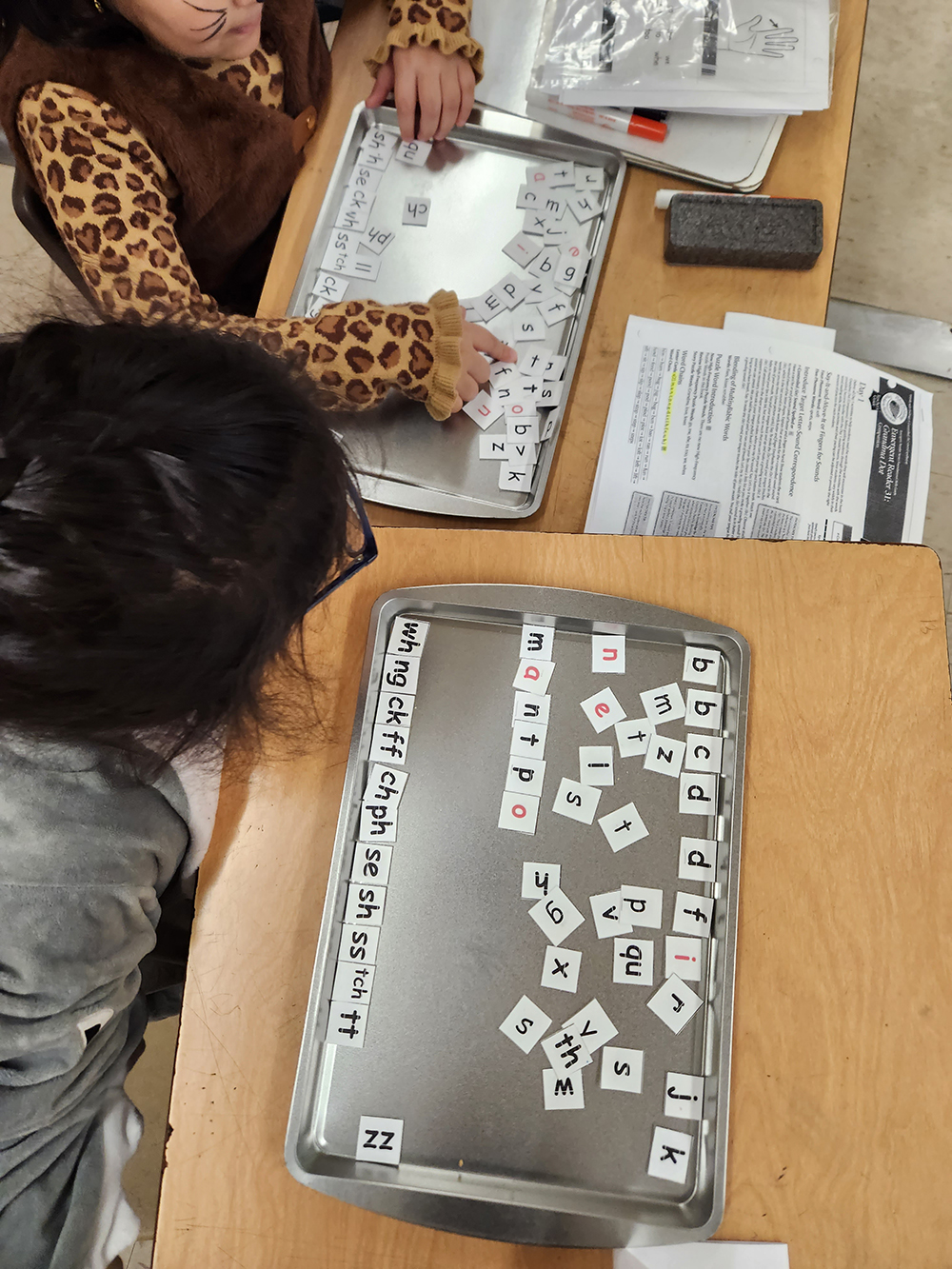
Joy for reading
Over three-quarters of Grade 3 students and about two-thirds of Grade 6 students indicated they like to read on the 2024-25 EQAO perception questionnaire. Approximately three-quarters of Grades 3, 6, and 10 students identified themselves as a good reader on the same questionnaire. Reading enjoyment and confidence are important building blocks for literacy teaching and learning, and are outcomes supported by the TDSB Literacy Strategy.
School administrator survey
In the Fall, the Literacy Department surveyed a sample of school administrators about literacy instruction. School administrators indicated they were confident in their ability to lead literacy instruction in their school. They cited classroom walk-throughs, developing a literacy achievement goal, reviewing and analyzing literacy data, and fostering a collaborative culture of shared responsibility for literacy as key approaches to supporting literacy instruction in their spaces. Many teachers continue to implement high-impact literacy practices, such as fostering a culture of joy and culturally relevant and responsive instruction in literacy, in their classrooms.
Middle years digital storytelling professional learning series
The English and Literacy Department partnered with Apple Education to develop and offer a professional learning series for grade 7 and 8 Language and grade 9 English educators. From February to June 2025, the series explored the opportunity to leverage iPads to elevate literacy instruction and empower students to share their voices with the world.
After submitting an expression of interest through a board-wide call, more than 20 educators from 17 schools gained expertise in integrating digital tools with evidence-based instructional practices. Through a series of hands-on sessions, educators also deepened their understanding of the principles underlying the Ontario Language/English Curriculum and learned to leverage the iPad's powerful multimedia tools, including drawing, video creation, and interactive storytelling, to help students express their ideas creatively and authentically.
This initiative advances the goal to cultivate curious and critical thinkers, creative communicators, and responsible digital citizens to achieve the vision of the literate learner. One educator in particular said:
“I used to think it would be hard to implement new programs/tech. Now I think it’s better to try and do even a little so you can add onto it next time. Literacy is changing and so am I.”
A short highlight reel from the Celebration of Learning event features more reflections from participating educators on the positive impact it has had on student learning. The project will continue to expand this academic year through an action research project and a new cohort of educators will also be welcomed to participate in the first phase of this professional learning initiative.
